
Implant Revision
If an implant is loose, or the gum around it is swollen or painful, we first diagnose why it failed. An oral & maxillofacial surgeon plans the revision around your bone condition.
Why revision is difficult
Implant revision is more demanding than the first surgery. Removing a problem implant can reduce the jawbone further, and if inflammation has lasted a long time, bone and gum must recover first. Placing a new implant without finding the cause can lead to the same problem again.
- 01Reduced jawbone
When bone around the implant has been lost to inflammation, there is less room to anchor a new implant firmly.
- 02Removing the old implant
An implant fused to bone must be removed carefully so the surrounding bone is not damaged with it.
- 03Long-standing inflammation
If there was peri-implantitis, inflamed tissue is cleared first and the gum is given time to heal.
- 04When to re-place
Sometimes a new implant can go in right away; often it is safer to graft bone and wait until it has matured.
When to consider revision
- Your implant is loose or has come out
- The gum around the implant is swollen, bleeding or discharging
- Pain or discomfort when chewing persists
- The crown breaks or the screw keeps loosening
- You have been told the bone around the implant has receded
- The gum has receded and the metal shows through
Our approach to revision
- 01
Diagnosis
CT and an oral exam confirm the cause, the remaining bone and the state of the existing implant.
- 02
Planning
We decide whether to re-place right away or rebuild bone first, and explain the timeline in advance.
- 03
Surgery
The existing implant is removed and inflammation cleared; bone is grafted if needed before re-placement.
- 04
Aftercare
After the crown is fitted, regular check-ups keep monitoring gum and bone health.
* Implant revision is surgery, so swelling, pain, bleeding or infection may occur. Healing time and results vary with each person's bone condition and general health.
A surgeon who has studied why implants fail
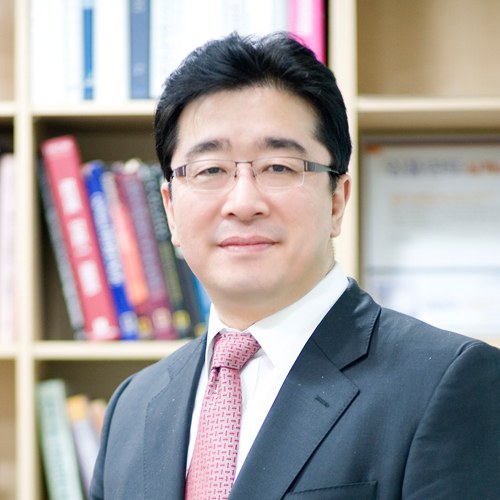
Wha Young Key, D.D.S., M.S.D., Ph.D. Oral & Maxillofacial Surgeon
Dr. Wha Young Key is an oral & maxillofacial surgeon who has treated implant patients in the same place since 1988. Over the years he has documented why some cases need to be redone, and in 2005 published the book “Overcoming Implant Failures”.
He sees an implant not as a one-time procedure but as treatment to be cared for over many years — so more time goes into diagnosis and planning than into surgery, and natural teeth that can be saved come first.
When an implant comes out, rather than rushing to replace it, he looks at why it failed and at the bone to decide between immediate re-placement and rebuilding bone first. Not repeating the same failure is the first principle of revision.
- Oral & maxillofacial surgeon · Ph.D.
- Treating implants at Greenmall Dental Clinic since 1988
- Author, “Overcoming Implant Failures” (2005)
- Column series “Reconstructive Implantology”, Dental Clinic journal (2019–2020)
- Clinical lecture series, Dental Arirang (2026)
SIC Schill Implantology Circle
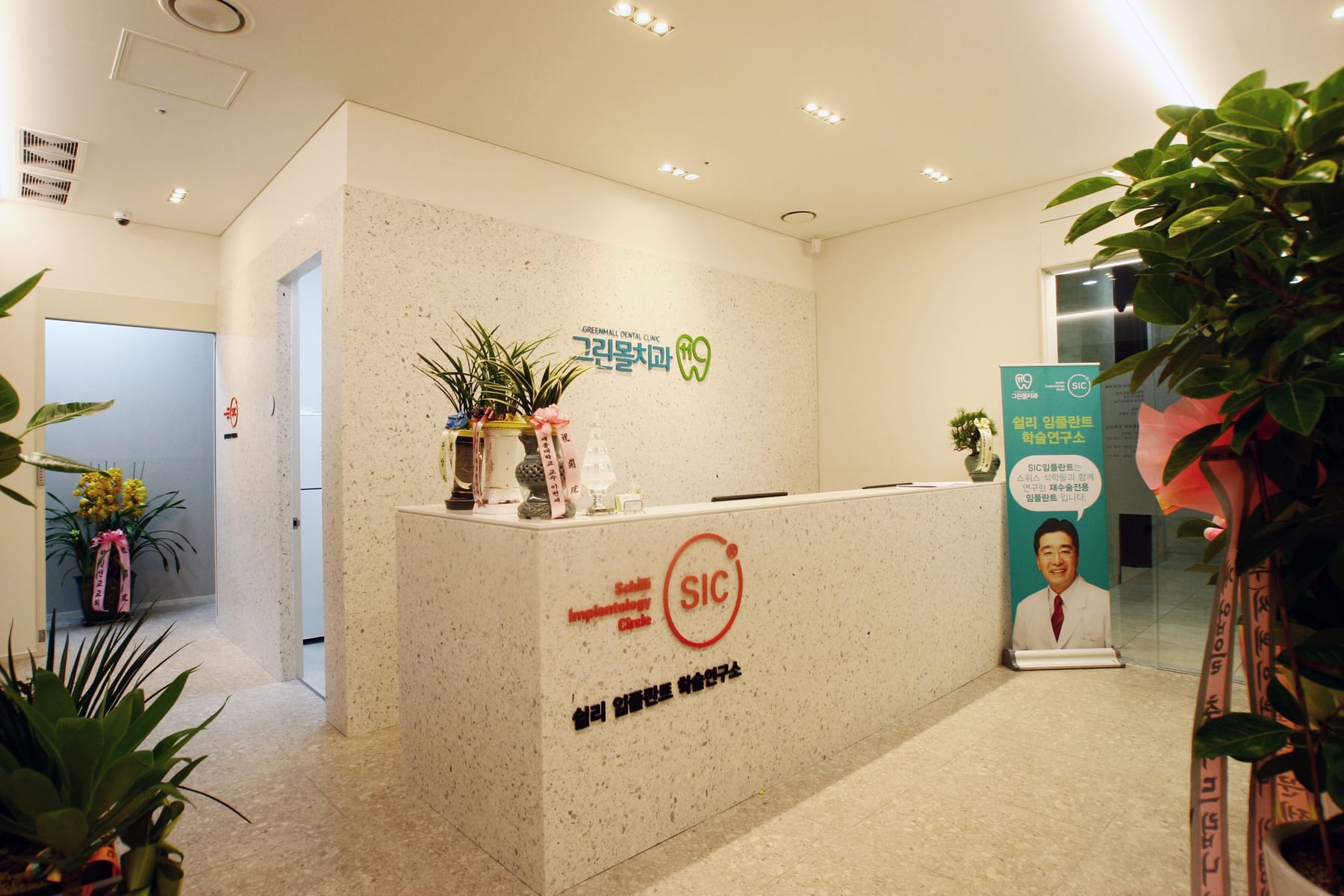
SIC implants are revision-dedicated implants researched together with Swiss specialists. Greenmall Dental Clinic has handled revision cases in collaboration with the Schill Implantology Circle.
Press & articles
Articles by Dr. Key on implant revision published in Korean dental media.
- [임상특강] 상악동 거상술 5. 임플란트 탈락 후 재식립의 시기의 결정Read article
- 기화영의 임플란트 이야기 — 재건 임플란트학(Reconstructive Implantology) 8회 연재Print series
Frequently asked questions
Can I consult about an implant placed elsewhere?
Yes, regardless of where your first surgery was done. Knowing when and what implant was placed helps, but even without records a CT scan shows the current condition.
Does a loose implant always have to be removed?
It depends on the cause. A loose crown or screw can often be re-tightened or replaced. If the implant itself is loose in the bone, it usually needs removal and re-treatment — an exam tells the two apart.
Can a new implant go in right after removal?
If the remaining bone is healthy, removal and re-placement can sometimes be done together. After severe inflammation or major bone loss, it is safer to graft bone first and place the implant once it has matured.
How long does revision take?
It varies greatly between immediate re-placement and rebuilding bone first. A bone graft usually needs several months to heal; the exact schedule is explained at the planning stage after the exam.
How should I care for it afterwards?
Regular check-ups of the gum and bone matter most. Early gum inflammation has few symptoms, so we recommend coming in at the scheduled times even if nothing feels wrong.
Watch our care
* Information on this page is general guidance. Methods and outcomes vary with each patient oral condition, bone quality and general health. Please confirm the details during an in-person consultation.
Need a consultation?
Tell us your symptoms by phone and we will advise whether a visit is needed.